
Sustainable Commercial Landscaping in Fairfield County
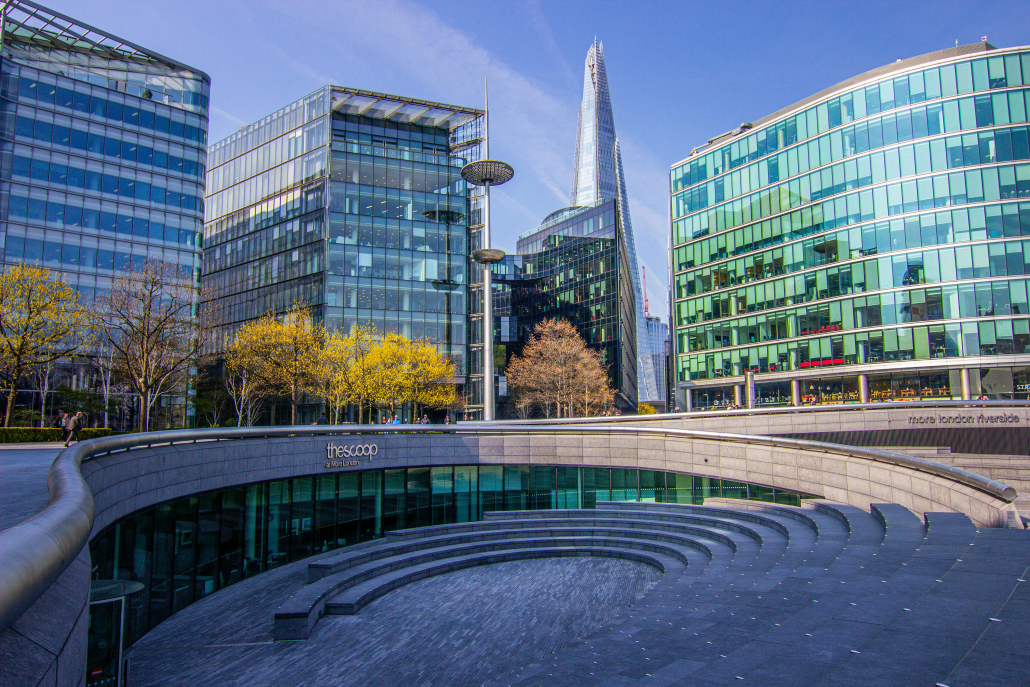
Across Fairfield County, Connecticut, the way businesses manage their outdoor spaces is shifting. Property owners and managers are no longer just thinking about how their landscapes look—they’re thinking about how those landscapes function, both for the environment and for the community. Sustainable commercial landscaping has become the new benchmark for modern businesses.
From corporate campuses in Stamford to retail hubs in Norwalk and community spaces in Greenwich, companies are embracing green strategies to manage commercial land in ways that reduce costs, conserve resources, and strengthen their brand reputation.
This article from Precision Land Management explores the rising importance of sustainability in commercial land management, highlighting key practices, local examples, and long-term benefits that make environmentally friendly landscaping an essential investment.
The Growing Demand for Sustainable Landscaping
In Fairfield County, sustainability is not just a trend; it’s a necessity. Connecticut has strong environmental regulations, and local residents value eco-friendly practices. Businesses that align their landscaping with these expectations gain credibility and trust.
- Consumer Awareness: Customers prefer to support businesses that demonstrate environmental responsibility.
- Regulatory Compliance: State and local laws regarding pesticide use, water conservation, and stormwater management push companies toward sustainable practices.
- Long-Term Savings: Sustainable landscaping reduces water bills, energy consumption, and maintenance costs.
Commercial land management in Fairfield County now prioritizes long-term health and environmental balance rather than short-term aesthetic fixes.
Native Plants: A Foundation for Sustainability
One of the most effective strategies in sustainable landscaping is the use of native plants.
- Low Maintenance: Native species are adapted to Connecticut’s climate and require less watering, fertilizing, and pest control.
- Biodiversity Support: Local plants attract pollinators, birds, and beneficial insects, creating healthier ecosystems around commercial land.
- Seasonal Beauty: From spring blossoms to autumn foliage, native plants provide year-round visual interest.
Fairfield County businesses that incorporate native species into their landscaping not only reduce costs but also contribute to regional conservation.
Smarter Irrigation and Water Management
Water efficiency is a cornerstone of sustainable landscaping. In an era where water bills can be a major expense for large properties, smart irrigation systems are transforming how businesses manage commercial land.
- Drip Irrigation: Directs water to plant roots, reducing evaporation and waste.
- Rain Sensors: Prevent overwatering by automatically shutting off irrigation during rainy weather.
- Permeable Pavements: Allow rainwater to soak into the ground instead of running off into storm drains.
By adopting these systems, Fairfield County businesses not only save money but also comply with Connecticut’s stormwater management standards.
Green Infrastructure for Commercial Land
Commercial land management today often includes green infrastructure—solutions that mimic natural processes to manage water, improve air quality, and reduce heat.
- Rain Gardens: Collect and filter runoff from roofs and parking lots.
- Bioswales: Direct stormwater while filtering pollutants naturally.
- Green Roofs: Provide insulation, reduce energy costs, and create usable outdoor space.
These features are particularly valuable in Fairfield County’s urban centers, where impervious surfaces like asphalt and concrete dominate.
Energy-Efficient Landscaping
Landscaping can directly influence a building’s energy consumption. Strategic design reduces the need for artificial cooling, heating, and lighting.
- Shade Trees: Reduce summer cooling costs by blocking sunlight.
- Windbreaks: Minimize winter heating costs by reducing wind exposure.
- LED Outdoor Lighting: Enhances security while using less energy.
For businesses managing commercial land in Connecticut, energy-efficient landscaping is an opportunity to save significantly on utility costs while improving sustainability.
Seasonal Sustainable Practices
Fairfield County’s four-season climate requires a year-round strategy for sustainable commercial land management.
- Spring: Use organic fertilizers to prepare lawns and beds naturally.
- Summer: Mulching conserves soil moisture and prevents weeds.
- Fall: Compost leaves instead of sending them to landfills.
- Winter: Eco-friendly de-icing alternatives reduce damage to landscapes and prevent chemical runoff into waterways.
By adapting each season’s strategy, businesses keep their landscapes healthy while reducing environmental impact.
The Business Case for Sustainability
Sustainable landscaping is not just good for the planet—it’s good for business.
- Enhanced Curb Appeal: A modern, eco-friendly landscape attracts tenants, customers, and employees.
- Lower Operating Costs: Efficient irrigation, reduced chemical use, and low-maintenance plantings save money over time.
- Improved Brand Image: Companies that embrace green practices gain recognition as community leaders.
- Employee Well-Being: Landscapes with greenery, outdoor spaces, and natural elements improve employee satisfaction and productivity.
For commercial land managers in Fairfield County, sustainability is as much a business strategy as it is an environmental one.
Challenges and Solutions in Sustainable Landscaping
While sustainable landscaping offers clear benefits, it comes with challenges.
- Initial Costs: Some eco-friendly solutions require upfront investment. Solution: Long-term savings often outweigh early expenses.
- Maintenance Knowledge: Sustainable practices require specialized expertise. Solution: Partner with a landscaping company experienced in green strategies.
- Changing Mindsets: Businesses may be hesitant to shift from traditional landscaping methods. Solution: Showcase ROI through measurable data like water savings and reduced energy bills.
Fairfield County landscaping professionals are increasingly skilled at addressing these challenges with practical, cost-effective solutions.
Community Benefits of Sustainable Commercial Land Management
Sustainable landscaping extends beyond individual businesses—it benefits entire communities.
- Cleaner Waterways: Stormwater management reduces pollution in Long Island Sound.
- Improved Air Quality: Trees and plants absorb pollutants while releasing oxygen.
- Heat Reduction: Green spaces help counteract the heat island effect in urban areas.
- Community Pride: Well-maintained landscapes elevate the look and feel of neighborhoods.
Businesses that manage their commercial land sustainably contribute to Fairfield County’s long-term health and livability.
Case Studies: Local Examples of Sustainable Landscaping
Stamford Office Parks
Several office parks in Stamford have installed bioswales and native plant gardens, reducing stormwater runoff while creating inviting spaces for employees.
Norwalk Retail Centers
Retail complexes have embraced permeable paving and rain gardens, turning parking lots into eco-friendly landscapes that manage water responsibly.
Greenwich Corporate Campuses
Green roofs and solar-integrated landscapes are being used to reduce energy costs and improve sustainability while showcasing a modern, innovative brand image.
These examples highlight how Fairfield County businesses are leading the way in sustainable commercial land management.
Choosing a Partner for Sustainable Landscaping
Businesses seeking sustainable solutions need a landscaping partner who understands both design and compliance. The right provider should offer:
- Expertise in Connecticut’s Regulations
- Proven Experience in Sustainable Projects
- Full-Service Capabilities from Design to Maintenance
- Commitment to Long-Term Client Relationships
A company like Precision Land Management brings these qualities, helping Fairfield County businesses transform their commercial land into eco-friendly assets.
The Future of Sustainable Landscaping in Fairfield County
Looking ahead, sustainability will continue to shape the future of landscaping. Expect to see more:
- Pollinator-Friendly Designs supporting bees and butterflies.
- Smart Technology Integration with AI-driven irrigation and maintenance tracking.
- Carbon-Conscious Landscaping using trees and plants to offset emissions.
- Collaborative Projects where businesses and municipalities work together on green infrastructure.
Fairfield County is poised to be a leader in sustainable commercial land management, setting standards for the rest of Connecticut and beyond.
Final Thoughts
Sustainable commercial landscaping in Fairfield County is more than a design choice—it’s a strategy for long-term business and environmental success. By investing in green practices, businesses save money, strengthen their reputation, and support healthier communities.
For property managers and business owners, sustainable landscaping is no longer optional. It’s the future of commercial land management, and Fairfield County is leading the way.
Unlock the full potential of your property with a landscaping strategy designed for lasting impact and precision. Let’s bring your vision to life—call us today at (203) 981-3575 or reach out here.


Leave a Reply
Want to join the discussion?Feel free to contribute!