
Turning Outdoor Spaces Into Business Assets
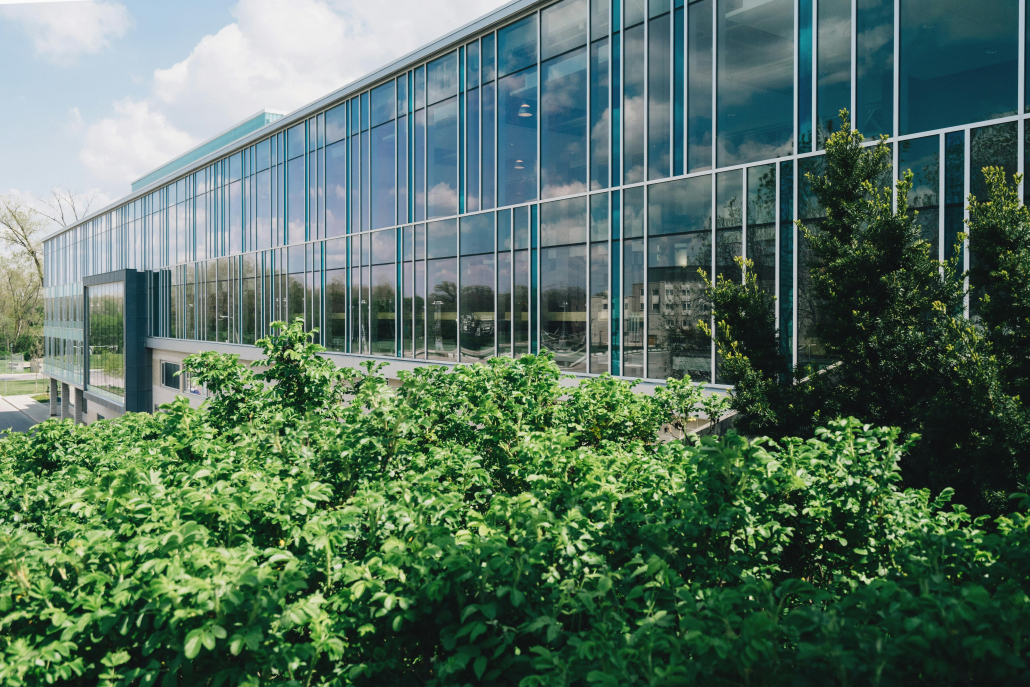
Walk through any thriving business district in Fairfield County, Connecticut, and one thing becomes clear—properties that look organized, vibrant, and well-maintained tend to attract more attention. It’s not accidental. Behind those polished exteriors is a strategic approach to commercial land management that goes far beyond routine upkeep.
Businesses looking to stay competitive increasingly turn to professionals like Precision Land Management to transform commercial land into an asset that actively supports growth, visibility, and long-term value. Landscaping is no longer just about appearance; it’s about performance.
Rethinking Commercial Landscaping as a Business Tool
For years, landscaping was viewed as a finishing touch—something added after construction or renovation. Today, it plays a central role in how businesses operate and present themselves.
In Fairfield County, where expectations are high and competition is constant, landscaping has become part of a broader strategy that influences:
- Customer perception
- Brand identity
- Property value
- Operational efficiency
Commercial land is no longer passive space. It is a working component of a company’s success.
The Fairfield County Standard
Fairfield County sets a higher bar than many other regions. Its blend of corporate headquarters, upscale retail centers, and historic communities creates an environment where details matter.
A poorly maintained property stands out immediately—and not in a good way.
Well-executed landscaping, on the other hand, communicates:
- Attention to detail
- Professionalism
- Stability
- Commitment to quality
These signals influence how clients, customers, and even potential employees perceive a business.
From Maintenance to Management
There is a significant difference between basic landscaping and comprehensive commercial land management.
Basic Landscaping
- Lawn mowing
- Trimming shrubs
- Seasonal cleanup
Commercial Land Management
- Strategic planning
- Soil health monitoring
- Irrigation optimization
- Long-term design improvements
- Risk mitigation and safety planning
This shift from reactive maintenance to proactive management is what separates average properties from exceptional ones.
First Impressions and Customer Behavior
Customers often make decisions within seconds of arriving at a location. The condition of the outdoor space plays a major role in that initial judgment.
A clean, well-designed landscape can:
- Encourage customers to enter
- Increase the amount of time they spend on-site
- Improve overall satisfaction
- Influence repeat visits
In retail environments, this directly impacts revenue. In office settings, it shapes client relationships.
The Financial Impact of Landscaping
Commercial landscaping is not just about aesthetics—it has measurable financial benefits.
Increased Property Value
Properties with professional landscaping often see higher valuations. This is especially important in Fairfield County’s competitive real estate market.
Reduced Maintenance Costs Over Time
Strategic planning reduces the need for frequent repairs and replacements. Healthy landscapes are easier and less expensive to maintain.
Higher Tenant Retention
In multi-tenant properties, well-maintained outdoor spaces contribute to tenant satisfaction, reducing turnover.
Designing Landscapes That Work
Effective landscaping combines visual appeal with practical functionality.
Creating Defined Spaces
Commercial properties benefit from clearly defined areas, such as:
- Entryways
- Walkways
- Parking zones
- Green spaces
These elements guide movement and improve usability.
Enhancing Visibility
Landscaping should highlight key features like signage and entrances, making it easier for customers to navigate the property.
Balancing Hardscape and Softscape
Hardscape elements like walkways and retaining walls should complement softscape features like plants and lawns. The balance between the two creates a cohesive look.
Seasonal Strategy for Commercial Properties
Fairfield County’s changing seasons require a flexible approach to landscaping.
Spring: Setting the Stage
Spring is the time to prepare for the year ahead.
- Soil conditioning
- Planting new greenery
- Repairing winter damage
Summer: Maintaining Peak Appearance
Summer demands consistent care to keep landscapes vibrant.
- Regular watering
- Lawn maintenance
- Pest management
Fall: Preparing for Transition
Fall is about protecting investments.
- Leaf removal
- Pruning
- Soil preparation
Winter: Safety and Protection
Winter management focuses on accessibility and safety.
- Snow removal
- Ice control
- Protecting plant life
Sustainability as a Competitive Advantage
Sustainable landscaping practices are becoming a priority for businesses across Fairfield County.
Water Efficiency
Smart irrigation systems reduce water usage while maintaining plant health.
Native Plant Selection
Using plants that naturally thrive in the region reduces maintenance needs and supports local ecosystems.
Reduced Chemical Use
Minimizing chemicals creates a safer environment for employees and visitors.
Sustainability is not just environmentally responsible—it also aligns with modern consumer expectations.
The Role of Technology in Landscaping
Technology is reshaping how commercial landscapes are managed.
Automated Irrigation Systems
These systems adjust watering schedules based on weather conditions, improving efficiency.
Landscape Monitoring Tools
Digital tools allow for real-time monitoring of soil health, moisture levels, and plant conditions.
Data-Driven Decisions
Access to data helps property managers make informed decisions about maintenance and improvements.
Safety and Compliance
Commercial properties must meet safety standards, and landscaping plays a key role in this.
Clear Pathways
Walkways should be free of obstacles and easy to navigate.
Proper Lighting
Lighting enhances visibility and reduces risks during evening hours.
Snow and Ice Management
Prompt removal is essential to prevent accidents and liability issues.
Customizing Landscaping for Different Industries
Each type of commercial property has unique needs.
Corporate Offices
Focus on professionalism and comfort.
- Clean designs
- Relaxation spaces
- Minimalist aesthetics
Retail Spaces
Designed to attract attention and encourage visits.
- Bright, inviting layouts
- Seasonal displays
- Clear signage
Industrial Facilities
Prioritize efficiency and durability.
- Low-maintenance designs
- Functional layouts
- Safety-focused features
Healthcare Properties
Emphasize calm and accessibility.
- Green spaces
- Easy navigation
- Thoughtful plant choices
Long-Term Planning and Growth
Commercial landscaping should evolve with a business.
As companies grow, their outdoor spaces should adapt to new needs and opportunities.
This may include:
- Expanding green spaces
- Updating designs
- Incorporating new technologies
- Improving sustainability practices
A forward-thinking approach ensures that landscapes remain relevant and effective.
Choosing the Right Partner for Commercial Land Management
Selecting a landscaping provider is a critical decision.
A strong partner offers:
- Local expertise
- Comprehensive services
- Reliable maintenance plans
- Customized solutions
Working with experienced professionals ensures that commercial land is managed efficiently and effectively.
Strengthening Brand Identity Through Landscaping
Landscaping is a powerful branding tool.
The design, layout, and maintenance of outdoor spaces reflect a company’s identity.
For example:
- Modern designs suggest innovation
- Lush greenery conveys growth and stability
- Clean, structured layouts communicate professionalism
These subtle cues shape how businesses are perceived.
Creating Memorable Outdoor Experiences
Businesses are increasingly using outdoor spaces to enhance customer and employee experiences.
This includes:
- Outdoor seating areas
- Event spaces
- Relaxation zones
These features make properties more engaging and enjoyable.
Key Takeaways
Commercial land management in Fairfield County, Connecticut, is about more than maintaining appearances. It is a strategic investment that influences property value, customer behavior, and overall business success.
From design and sustainability to safety and long-term planning, every aspect of landscaping contributes to a property’s performance. Businesses that prioritize these elements position themselves for stronger growth and lasting impact in a competitive market.
Unlock the full potential of your property with a landscaping strategy designed for lasting impact and precision. Let’s bring your vision to life. Call us today at (203) 981-3575 or reach out here.


Leave a Reply
Want to join the discussion?Feel free to contribute!